



When a warning light appears on a Jaguar or Land Rover, the real issue is rarely as simple as the message on the dash. A suspension fault can trace back to a sensor, a wiring concern, a weak battery, or a control module that is reacting to bad data. That is why jaguar land rover diagnostics matter so much. On these vehicles, accurate testing is the difference between fixing the cause and spending money on parts that never needed to be replaced.
Owners of these brands usually learn this the hard way. A general scan tool may pull a fault code, but that code often tells only part of the story. Modern Jaguar and Land Rover vehicles rely on dozens of modules communicating across complex networks. If the testing process stops at code reading, the repair process can go off track fast.
What Jaguar Land Rover diagnostics really involve
Proper Jaguar Land Rover diagnostics go far beyond plugging in a scanner and printing a list of trouble codes. The process should include symptom verification, system-specific testing, live data review, manufacturer-level scan capability, and a technician who understands how these vehicles behave in the real world.
That matters because many faults overlap. A cooling system concern might trigger an engine performance complaint. A battery or charging issue can create transmission, suspension, or steering warnings that look unrelated. Air conditioning problems may involve pressure readings, sensor values, control commands, or module communication rather than a basic refrigerant issue.
The goal of diagnostics is not just to identify what system is unhappy. The goal is to determine why it is unhappy.
Why generic scan tools often fall short
Some independent shops use universal diagnostic equipment that works well for common makes. That can be enough for basic maintenance items, but it often leaves gaps on premium European vehicles. Jaguar and Land Rover models require access to manufacturer-specific data, guided test routines, module functions, and deeper communication with onboard systems.
Without that level of access, a shop may miss stored manufacturer codes, fail to run the right functional tests, or overlook software-related issues. In practice, that can mean delays, repeat visits, and unnecessary parts replacement.
For owners, the trade-off is simple. A cheaper diagnostic starting point can become more expensive if the answer is incomplete.
Why dealer-level Jaguar Land Rover diagnostics matter
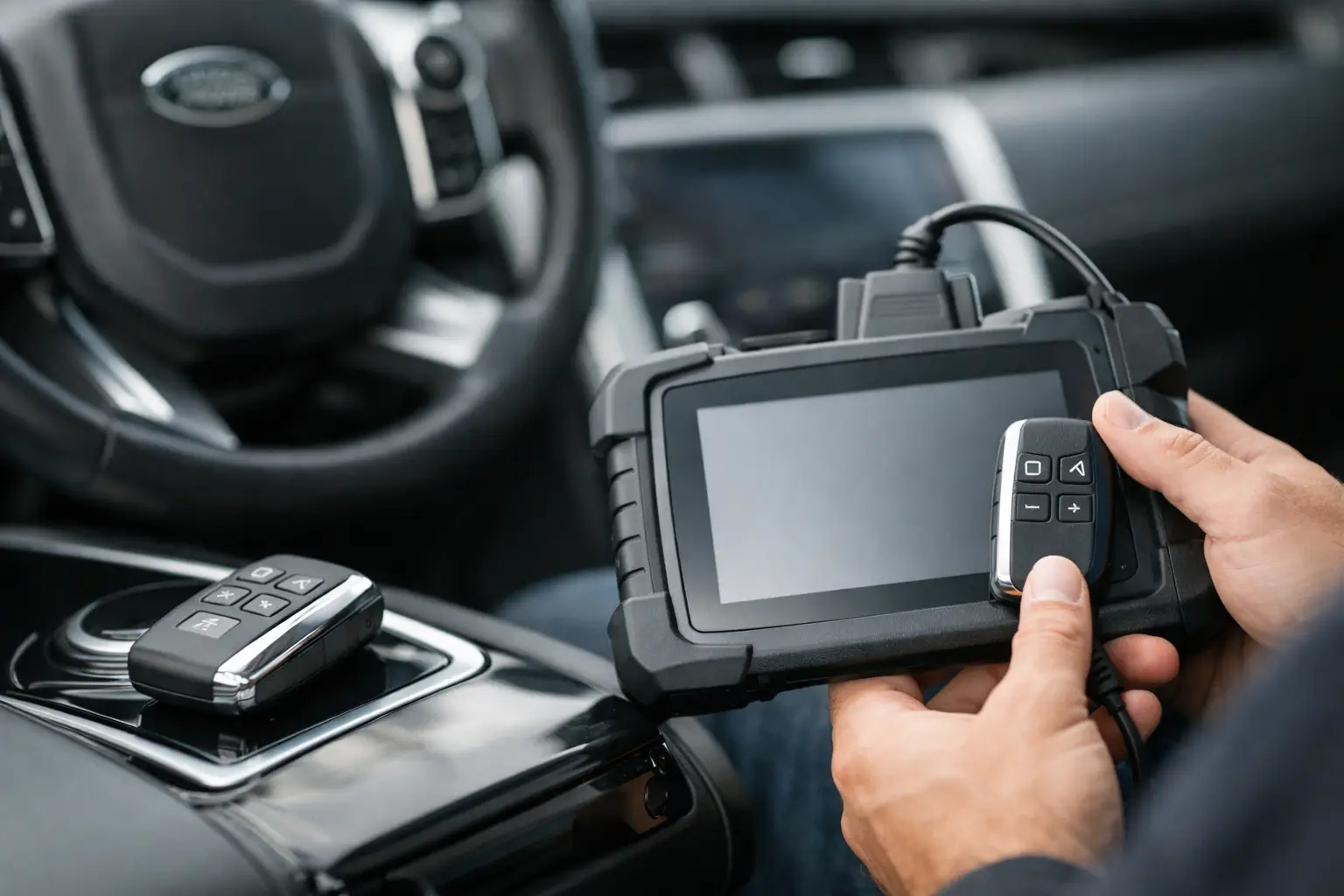
Dealer-level Jaguar Land Rover diagnostics give a specialist the ability to communicate with the vehicle the way the manufacturer intended. That includes deeper fault tracing, module interrogation, live data analysis, calibrations, service functions, and symptom-driven testing procedures.
At JA Auto, that includes JLR SDD, the same Symptom Driven Diagnostics platform used by dealerships. That matters because certain faults are best diagnosed by following brand-specific test paths rather than guessing from a code description. It also helps when dealing with intermittent electrical concerns, drivability complaints, warning messages, programming needs, and system resets after repair.
This does not mean every problem is difficult or every diagnosis is lengthy. Some issues are straightforward. But with Jaguar and Land Rover, having the right platform available from the start gives the process a better chance of being accurate and efficient.
Common problems that need proper diagnostic testing
A few categories come up often on these vehicles. Check engine lights are one, but they are only part of the picture. Cooling system faults, suspension warnings, battery drains, air conditioning performance issues, key recognition problems, and transmission concerns all benefit from brand-specific testing.
Electrical issues are especially sensitive to diagnostic quality. A single low-voltage event can trigger multiple stored faults across different systems. If a technician treats each code as a separate failure without looking at the larger pattern, the repair plan can become expensive fast.
That is also true for performance complaints. Rough running, reduced power, or erratic shifting may be caused by mechanical wear, sensor inputs, software behavior, or supporting systems that are feeding incorrect information into the network. The right process narrows that down before major parts are ordered.
The value of a specialist over a general repair approach
There is a reason owners of British luxury vehicles tend to look for a shop that knows the brand well. Experience changes the speed and quality of diagnosis.
A specialist is more likely to recognize known failure patterns, understand what faults commonly appear together, and know when a symptom points to a root cause outside the obvious system. That familiarity helps avoid the trial-and-error style of repair that frustrates owners and stretches out downtime.
It also improves communication. When a technician understands the vehicle, the explanation to the customer is usually clearer. You are more likely to hear what failed, why it failed, what needs to happen next, and whether the repair is urgent, recommended soon, or something to monitor.
That kind of clarity matters when you are maintaining a premium vehicle and trying to make smart decisions over time rather than reacting to every warning message with uncertainty.
How diagnostics support better long-term reliability
Diagnostic testing is not only for major breakdowns. It also plays an important role in preventive maintenance and early intervention.
If a vehicle comes in for a cooling system concern, drivability change, or repeated battery issue, proper testing can catch related faults before they become larger repairs. In some cases, that means identifying a weak battery before it starts affecting control modules. In others, it means finding a small cooling system leak before overheating creates engine damage.
For Jaguar and Land Rover owners in Honolulu, climate also adds context. Heat, humidity, stop-and-go traffic, and short-trip use can all affect batteries, electronics, cooling system performance, and air conditioning demand. Diagnostics help separate normal wear from developing problems so maintenance can be planned instead of rushed.
What a good diagnostic visit should feel like
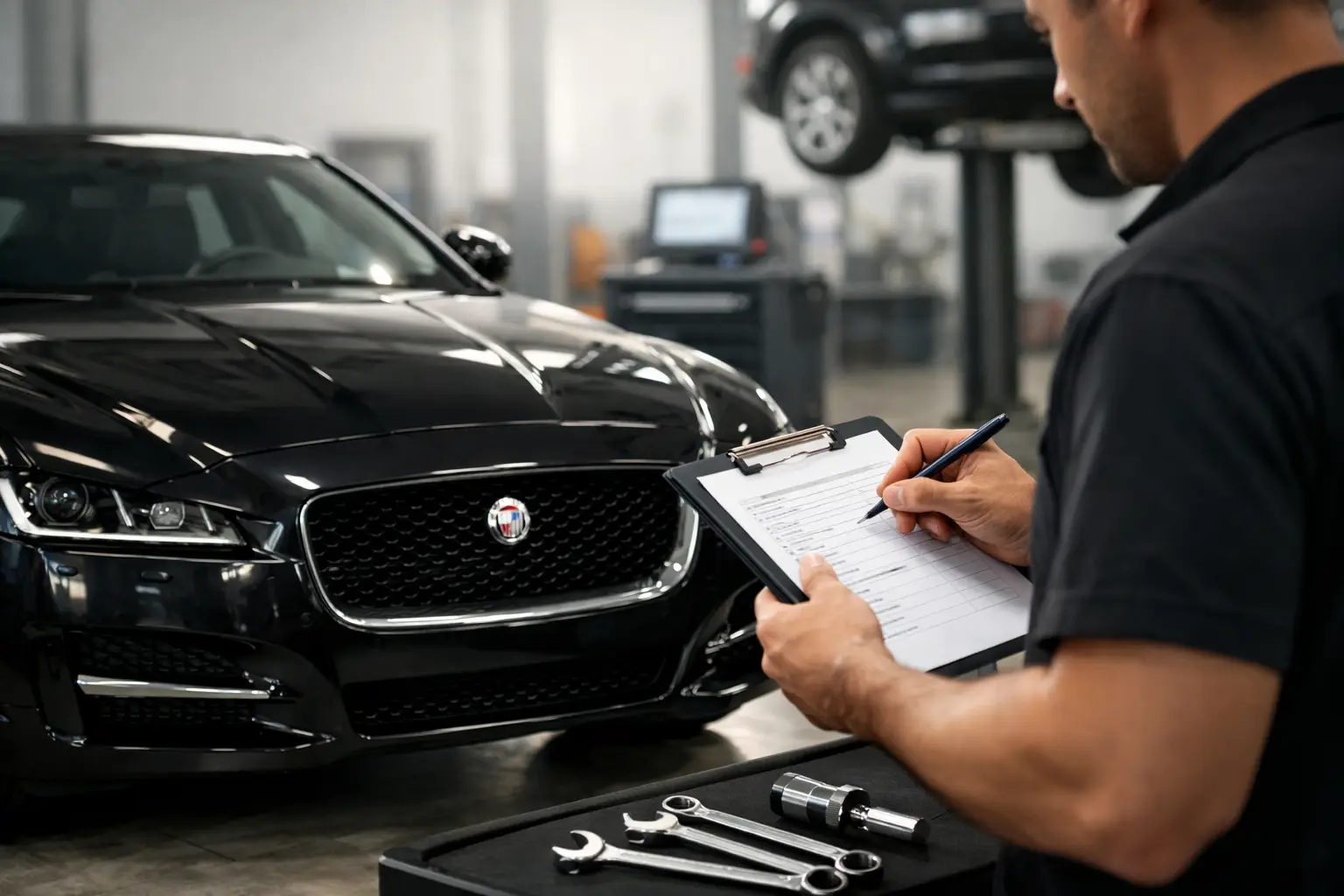
From the customer side, a good diagnostic experience should feel organized and transparent. The concern is documented clearly. The vehicle is tested with the proper equipment. Findings are explained in plain language. And the next step is based on evidence, not guesswork.
That does not always mean an answer appears immediately. Some intermittent problems require more time, especially when the issue happens only under certain temperatures, driving conditions, or after the vehicle sits. A trustworthy shop will say that honestly rather than force a premature conclusion.
That honesty is part of good service. So is restraint. If testing shows that one failed component caused a chain of warning messages, you should not be sold a list of unrelated repairs just because the scan tool showed multiple codes.
When to schedule Jaguar Land Rover diagnostics
It makes sense to schedule Jaguar Land Rover diagnostics when warning lights appear, but that is not the only time. Changes in shifting, uneven cooling performance, hard starting, repeated low-battery conditions, suspension behavior, or inconsistent key operation are all valid reasons to have the vehicle checked.
The earlier the testing happens, the more options you usually have. Waiting can turn a manageable repair into a larger one, especially when drivability, overheating, or electrical system faults are involved.
If you already have a previous diagnosis from another shop but the explanation does not fully add up, a second opinion from a Jaguar and Land Rover specialist can also be worthwhile. Not every initial diagnosis is wrong, but on complex vehicles, confirmation has real value.
A premium vehicle deserves more than a generic answer. The right diagnostic process protects your time, your budget, and your confidence in the repair. When the shop has the correct tools, brand-specific experience, and a customer-first approach, the path forward is usually clearer – and that is exactly what owners want when something does not feel right.

Leave a Reply