



A warning light rarely shows up at a convenient time. More often, it appears right before work, before a weekend trip, or after a small issue has already turned into a bigger one. That is why many owners ask what is considered preventive maintenance in the first place – and whether it is really different from just fixing things when they break.
Preventive maintenance is the routine service and inspection performed to reduce wear, catch problems early, and help a vehicle stay reliable over time. It includes scheduled services like oil changes, fluid checks, filter replacement, brake inspections, battery testing, tire service, and system-specific checks based on mileage, age, and driving conditions. The goal is simple: address normal wear before it turns into a breakdown or a major repair.
For Jaguar and Land Rover owners, that definition matters more than it does for the average vehicle. These are sophisticated vehicles with advanced electronics, performance systems, and model-specific service needs. A preventive approach is not just about extending vehicle life. It is also about protecting drivability, comfort, and the value of a premium vehicle.
What Is Considered Preventive Maintenance on a Vehicle?
At the most basic level, preventive maintenance covers the services your vehicle needs before there is an obvious failure. That means work performed according to factory recommendations, inspection findings, or known wear patterns.
Oil and filter changes are the most familiar example, but they are far from the only one. Brake fluid service, coolant replacement, spark plugs, drive belt inspections, transmission service, differential fluid service, cabin and engine air filters, and battery checks all fall into this category. Tire rotations and alignment checks also count because uneven tire wear can lead to larger suspension and handling issues if ignored.
The key difference is timing. Preventive maintenance happens because the vehicle is due for service or because a trained technician sees wear developing. Corrective repair happens after something has already failed.
That distinction can save money, but not always in the most obvious way. Preventive service does not eliminate repair costs forever. Parts still wear out. What it often does is reduce the odds of a more expensive chain reaction, like overheated engines caused by neglected cooling systems or brake damage caused by worn pads that were not replaced in time.
Why Preventive Maintenance Matters More for Jaguar and Land Rover
Luxury European vehicles reward proper care, but they are less forgiving of neglect. A missed service on a basic commuter car may cause inconvenience. On a Jaguar or Land Rover, the same delay can affect performance, electronics, cooling efficiency, transmission behavior, or ride quality.
These vehicles also have service requirements that are not always handled well by general repair shops. The issue is not just replacing parts. It is understanding the systems, knowing common failure points, and using the right diagnostic process when early symptoms appear.
For example, a cooling system inspection may seem routine. On a Jaguar or Land Rover, it can be one of the most important preventive checks on the vehicle. A small coolant leak, a weakening water pump, or a hose beginning to fail may not seem urgent until overheating creates a much larger engine problem. The same logic applies to suspension components, battery health, and electronic system faults that start as minor intermittent issues.
In Honolulu, preventive maintenance also has a practical climate factor. Heat, humidity, stop-and-go traffic, and salt air can all add stress to batteries, rubber components, fluids, and air conditioning performance. A maintenance schedule should reflect real-world use, not just a generic interval on paper.
Common Services That Count as Preventive Maintenance
Some preventive services are universal, and some depend heavily on the vehicle. In general, most shops consider the following part of a strong maintenance plan.
Engine oil and filter service protects internal engine components from friction and contamination. Fluid services support everything from braking and steering to cooling and drivetrain function. Filter replacement helps the engine breathe properly and keeps cabin air cleaner. Tire service promotes even wear and stable handling. Brake inspections catch pad and rotor wear before braking performance drops or damage spreads.
Battery testing is another overlooked area. Many modern luxury vehicles are highly sensitive to battery condition, and weak voltage can create strange electrical symptoms long before the car refuses to start. Preventive testing can identify a battery nearing the end of its life before it leaves you stranded.
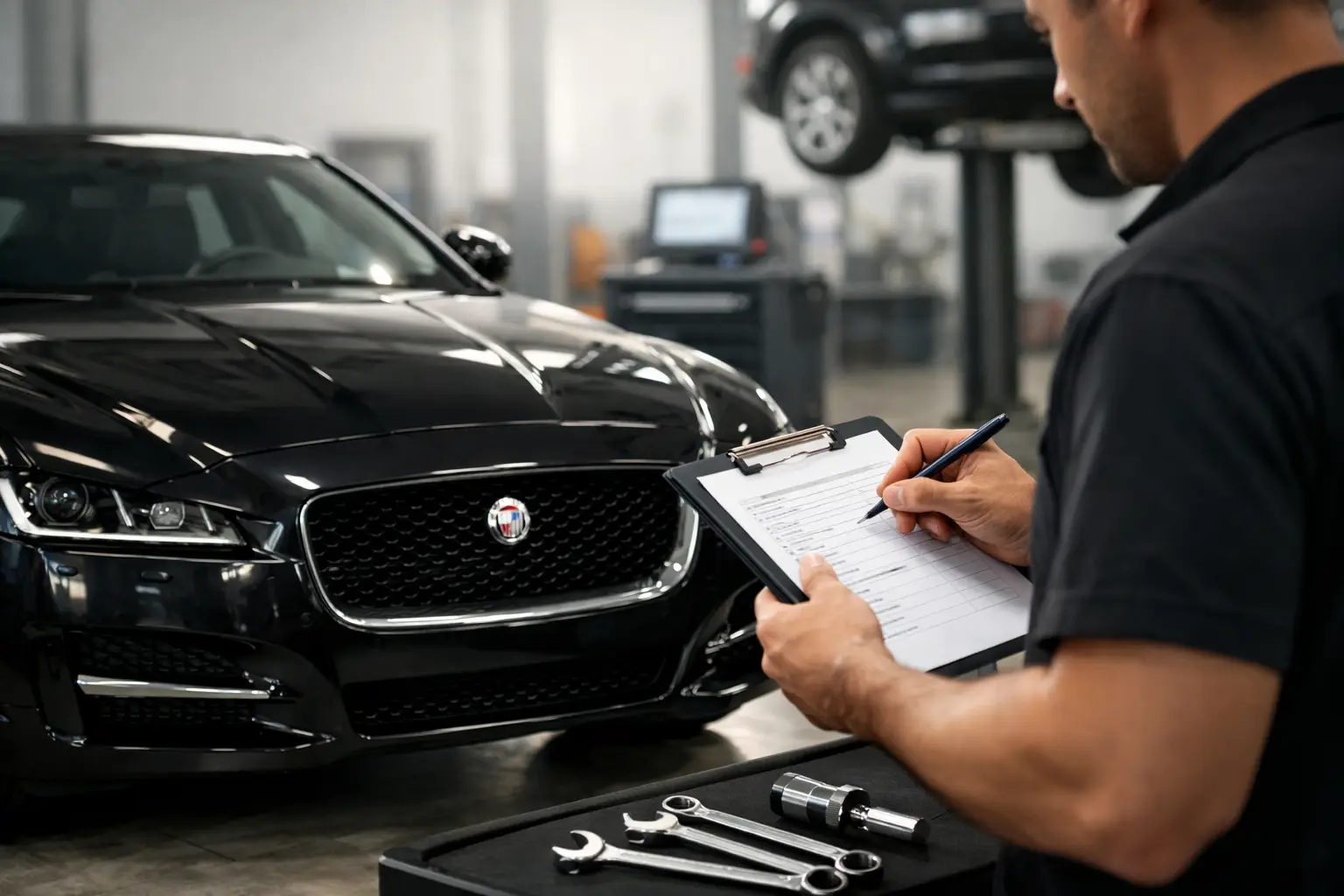
Inspections are also part of preventive maintenance, even though they do not always involve replacing anything on the spot. Checking hoses, belts, suspension parts, fluid leaks, cooling system integrity, and warning code history can reveal issues before the driver notices a clear problem.
For higher-mileage vehicles, preventive maintenance becomes even more tailored. A vehicle with 80,000 or 100,000 miles may need more attention to ignition components, cooling parts, bushings, and driveline fluids than it did earlier in its life. That is not a sign the vehicle is unreliable. It simply means the maintenance strategy needs to evolve with age and use.
Preventive Maintenance vs. Predictive and Corrective Repair
People often use these terms interchangeably, but they are not exactly the same.
Preventive maintenance is scheduled or routine. It is based on time, mileage, or known service intervals. Predictive maintenance is more condition-based. It relies on inspections, test results, and data to spot wear before failure. Corrective repair happens after a part has already failed or a problem has become noticeable.
In real service practice, the lines can overlap. A technician may inspect a cooling system during routine maintenance and find early seepage at a component. Recommending replacement before failure is still part of a preventive mindset, even if the recommendation came from a condition-based inspection rather than a mileage chart.
That is often the best approach for premium vehicles. Factory schedules are essential, but real experience with the brand matters too. Some parts fail by age, heat exposure, or known model patterns, not just by mileage.
How to Know What Your Vehicle Actually Needs
Not every car needs every service at the same time. That is where owners can get frustrated, especially if one shop gives a short list and another gives a much longer one.
The right answer depends on the model, engine, mileage, service history, and how the vehicle is driven. Short trips, long idle time, heavy traffic, infrequent use, and Hawaii’s climate can all change how quickly certain parts and fluids degrade.
A trustworthy maintenance recommendation should make sense when explained clearly. You should be able to understand whether a service is due by schedule, supported by inspection findings, or recommended because of known wear patterns on your vehicle. That level of explanation matters. It helps you plan ahead instead of feeling like every visit turns into a surprise.
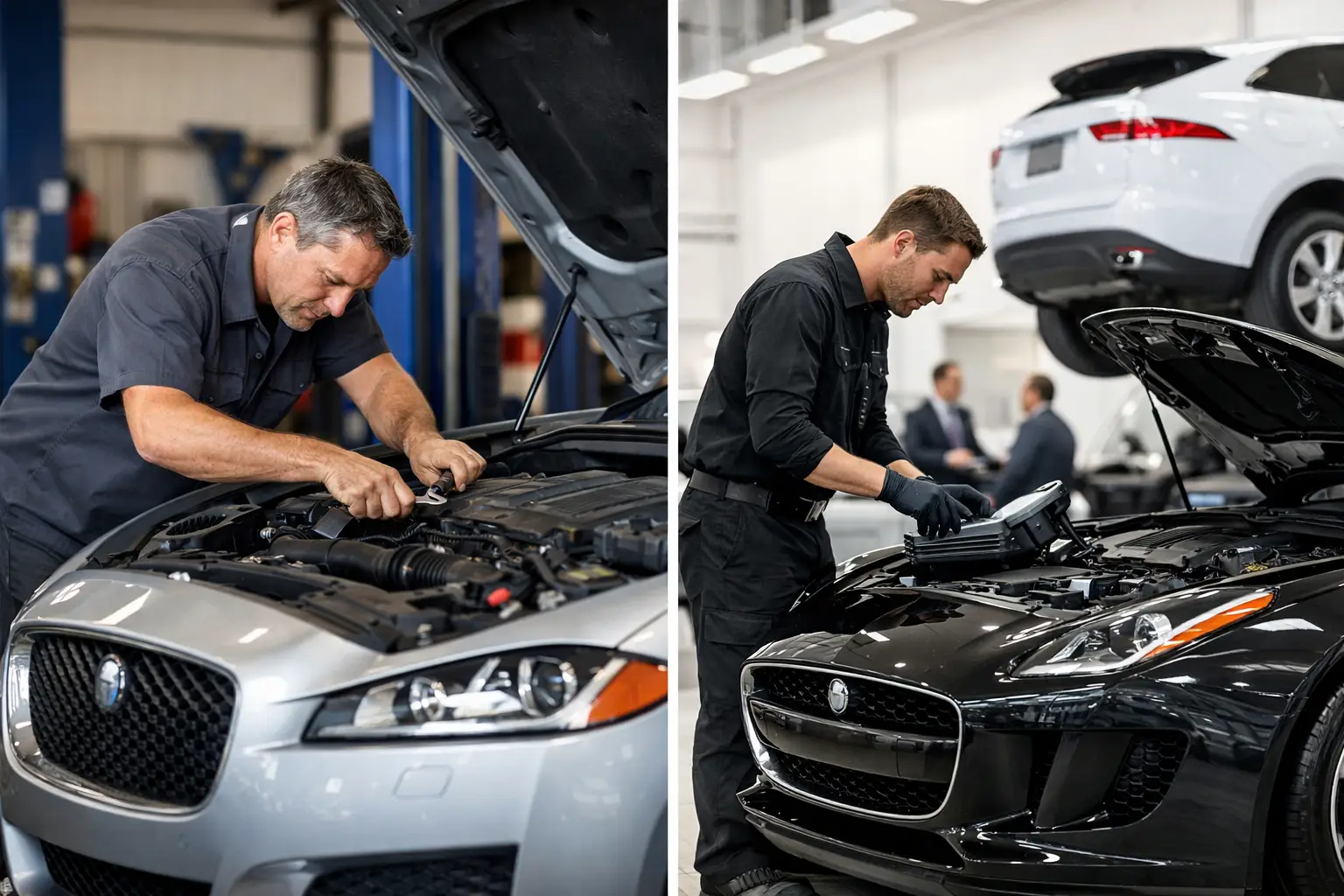
For specialized vehicles, it also helps to work with a shop that can read manufacturer-level data and interpret it correctly. On late-model Jaguar and Land Rover vehicles, diagnostics are a real part of preventive care. You are not just looking for worn parts. You are also watching for stored faults, software-related concerns, and system behavior that could signal developing issues.
What Preventive Maintenance Does Not Mean
Preventive maintenance is not the same as replacing parts unnecessarily. A good service plan is not about selling every possible item early. It is about balancing timing, risk, cost, and actual condition.
Sometimes the right recommendation is to service a component now because failure could create major damage. Other times the better call is to monitor a part during the next visit because it is aging but still performing properly. That is where experience and honesty matter.
This is especially true with premium vehicles, where parts and labor can be significant investments. Owners want to avoid breakdowns, but they also want confidence that recommendations are practical and justified. A customer-first shop understands both sides of that equation.
A Smarter Way to Think About Maintenance
If you think of preventive maintenance as routine upkeep, you are only seeing part of the picture. The better way to view it is as a strategy for protecting reliability. It is how you reduce the chance that a small wear item turns into a major inconvenience, an expensive repair, or time without your vehicle.
For Jaguar and Land Rover owners, that strategy works best when it is based on specialist knowledge, accurate inspections, and a realistic understanding of how the vehicle is actually used. Shops like JA Auto build long-term relationships around that kind of care because the goal is not just to complete a service visit. It is to help owners keep their vehicles dependable, comfortable, and ready for the road ahead.
The best time to address most car problems is before they feel like problems at all.

Leave a Reply