



A vehicle rarely fails all at once. More often, it gives you a long trail of warning signs – old fluids, worn rubber, weak batteries, rising temperatures, uneven tire wear. The most important preventative car maintenance is the work that catches those small changes before they turn into breakdowns, major repairs, or avoidable inconvenience.
For Jaguar and Land Rover owners, that matters even more. These vehicles are engineered for performance, comfort, and capability, but they also depend on correct service intervals, proper diagnostics, and close attention to systems that general shops may overlook. Preventative maintenance is not just about preserving resale value. It is about keeping a sophisticated vehicle dependable in daily use.
What matters most in preventative car maintenance
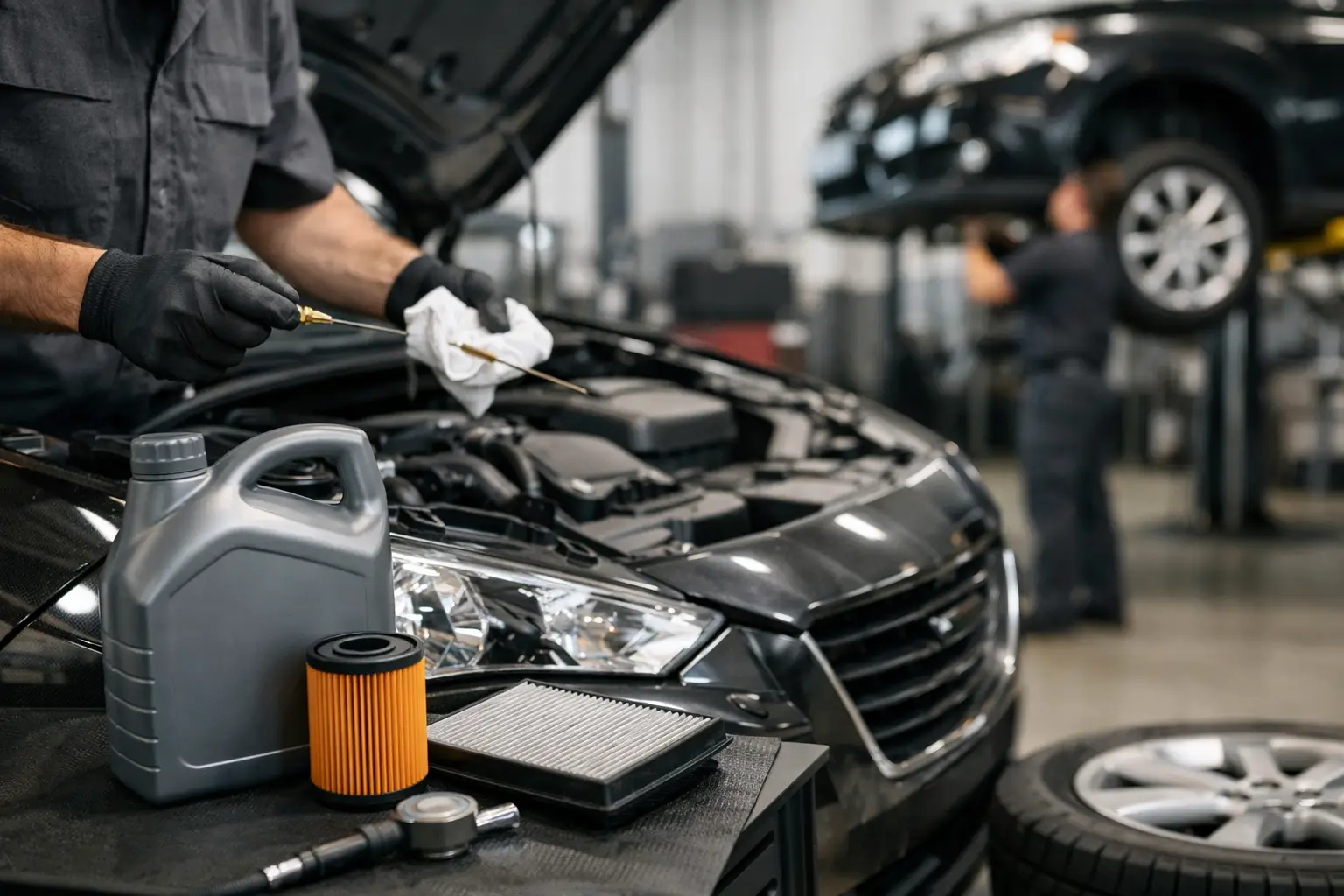
If you ask ten drivers what the most important service is, many will say oil changes, and they are not wrong. Clean engine oil remains one of the most important preventative car maintenance items because it protects internal engine components from heat, friction, and sludge buildup. Skip oil service long enough, and even a well-built engine can suffer accelerated wear.
But oil is only part of the picture. The real answer is not one single service. It is a pattern of timely inspections and fluid, tire, battery, and cooling system care that keeps the vehicle stable as it ages. On modern European vehicles, neglect in one area often affects another. A cooling system issue can threaten the engine. A weak battery can trigger strange electrical faults. Tire wear can change handling and stress suspension parts.
That is why preventative maintenance works best when it is treated as a system, not a checklist you remember after a warning light appears.
Oil service is critical, but not enough by itself
Engine oil has a simple job with expensive consequences. It lubricates moving parts, helps control temperature, and carries contaminants away from critical surfaces. Over time, heat cycles and normal use break oil down. Once that happens, protection drops.
For many drivers, the mistake is assuming mileage is the only factor. Time matters too, especially if the vehicle sees short trips, long idle periods, or inconsistent use. In a place like Honolulu, warm temperatures and stop-and-go traffic can also add stress. If your vehicle is driven hard, carries heavy loads, or spends time in slow traffic with the air conditioning running, oil service becomes even more important.
The trade-off is simple. More frequent oil service costs less now and usually saves much more later. Waiting longer may seem convenient, but it increases risk on engines that are costly to repair.
Cooling system maintenance is often the hidden priority
If there is one area owners tend to underestimate, it is the cooling system. Hoses, thermostat housings, water pumps, expansion tanks, and coolant condition all matter. When cooling system maintenance is delayed, overheating becomes a real risk, and overheating is one of the fastest ways to turn a manageable repair into a major engine problem.
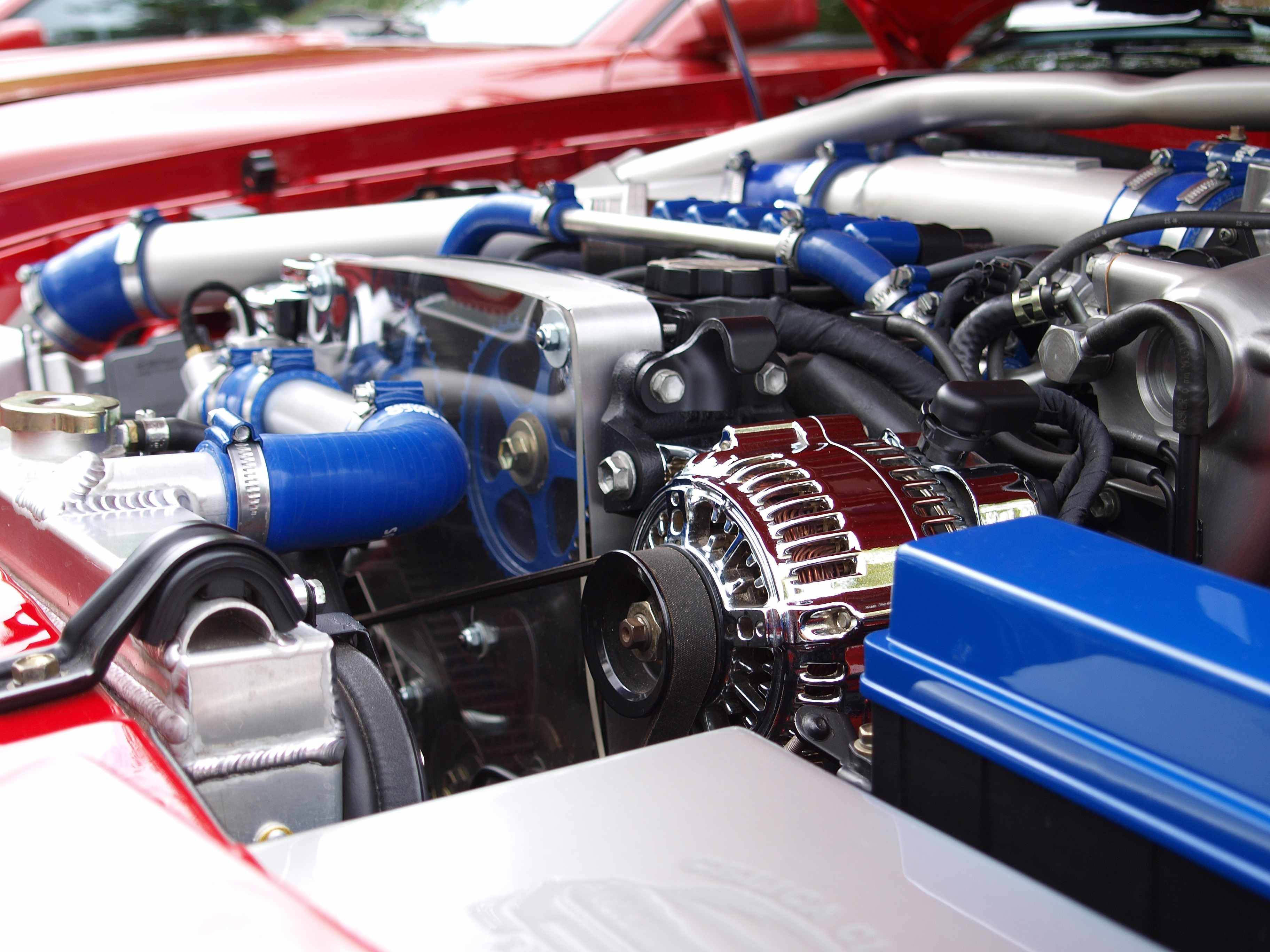
This is especially important on vehicles with complex engine bays and tightly packaged components. A small leak may not leave a dramatic puddle. It may show up first as a slight drop in coolant level, a faint smell, residue around a plastic fitting, or occasional temperature fluctuation.
Preventative cooling system care means inspecting for early leaks, pressure-testing when needed, and replacing aging components before they fail under pressure. That approach is far less disruptive than waiting for a roadside overheat event.
Batteries and electrical health deserve more attention
Modern luxury vehicles rely heavily on stable battery voltage. A battery that is only partially failing can create a confusing range of symptoms, from slow starts to warning lights to intermittent electronic faults. Owners sometimes assume a sensor or module has failed when the battery is actually the first problem.
This is where preventative service saves time as well as money. Battery testing should be part of routine maintenance, especially once the battery has some age on it. Terminal condition, charging output, and electrical draw all matter. On Jaguar and Land Rover models, battery replacement is not always as simple as swapping in a generic unit and driving away. Correct battery specification and proper system setup matter.
A healthy electrical foundation supports everything else in the vehicle. Ignore it, and small electrical issues can become larger diagnostic headaches.
Tire maintenance affects more than tire life
Tires are easy to postpone because wear happens gradually. But tire condition affects braking, ride quality, steering response, suspension wear, and fuel efficiency. Uneven wear can also tell you something important about alignment, bushings, or inflation habits.
Preventative tire maintenance includes checking tread depth, monitoring pressure, rotating when appropriate, and addressing alignment concerns early. If a vehicle pulls slightly, feels unsettled over bumps, or shows inner-edge wear, that is not something to leave for later.
For heavier SUVs, this matters even more. A premium vehicle with poor tire maintenance will not drive the way it was designed to drive. It may still feel usable, but it is no longer performing as intended, and other components may be working harder because of it.
Brake service should start before noise starts
Many drivers wait for squealing or grinding before thinking about brakes. By that point, the service may be more involved than it needed to be. Brake pads, rotors, fluid, and hardware all wear at different rates, and regular inspection helps catch that wear before braking performance drops.
Brake fluid is the overlooked part of the conversation. It absorbs moisture over time, which can reduce braking consistency and contribute to internal corrosion. On higher-end vehicles, preserving brake system condition is not just about safety, though that is the priority. It is also about maintaining the feel and confidence the vehicle was built to deliver.
If your vehicle is used for family driving, commuting, or frequent trips across Oahu, dependable braking is not optional. It should be monitored as part of normal preventative care.
Transmission, differential, and transfer case service depends on use
These fluid services are commonly delayed because many owners never notice a problem until shifting quality changes. The challenge is that once symptoms appear, wear may already be underway.
Transmission fluid, differential fluid, and transfer case fluid all break down with time and use. The right service interval depends on the model, mileage, driving conditions, and whether the vehicle sees towing, off-road use, or frequent short trips. There is no one-size-fits-all answer, which is why model-specific guidance matters.
For owners of all-wheel-drive or four-wheel-drive vehicles, this is especially important. Driveline systems are expensive and precise. Preventative fluid service is one of the best ways to protect them over the long term.
Inspections are what tie the whole maintenance plan together
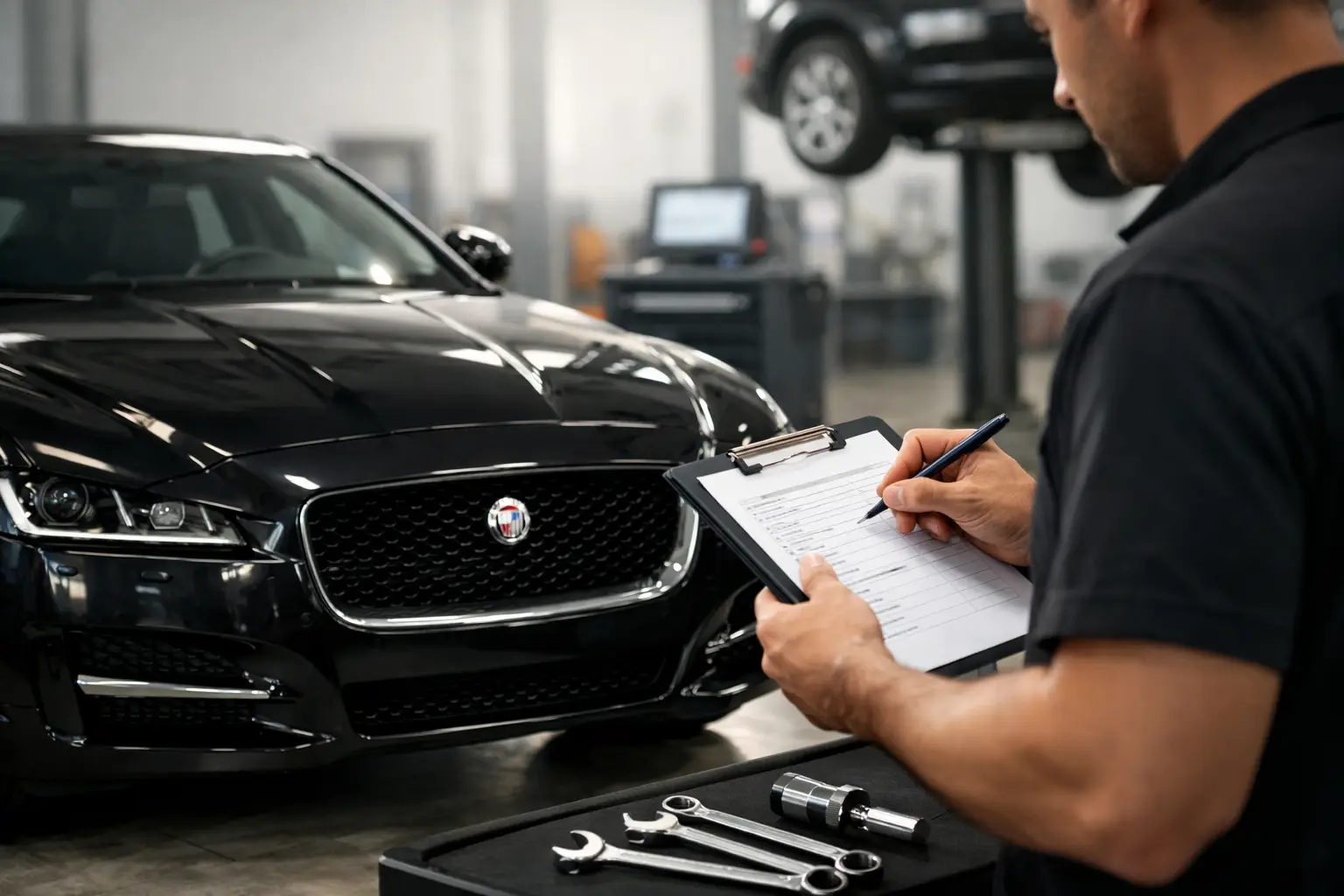
The most valuable preventative service is often the inspection that finds the issue before you feel it from the driver’s seat. A trained inspection can catch cracked bushings, fluid seepage, worn belts, loose suspension components, aging hoses, and early signs of failure that would be easy to miss during everyday driving.
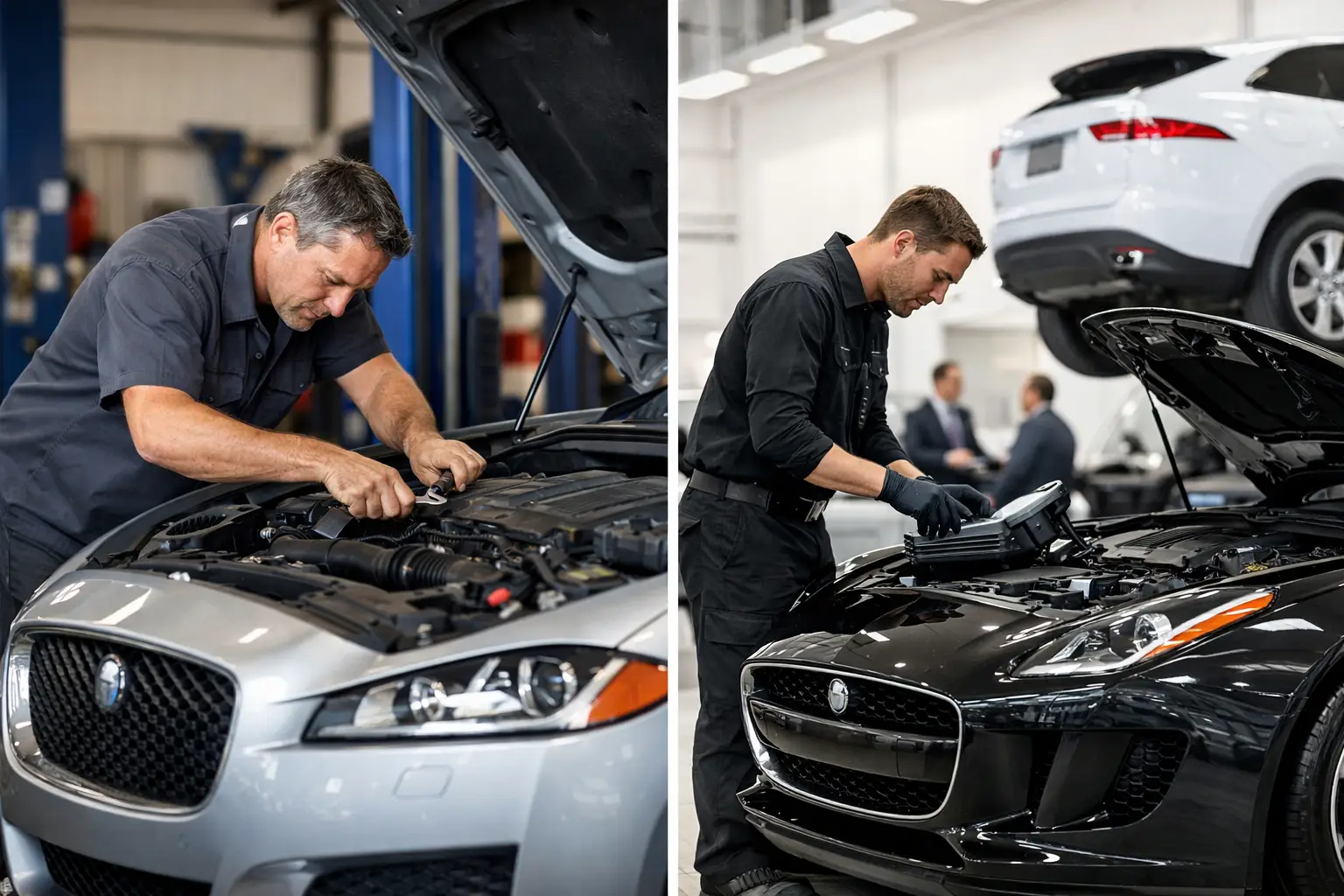
That is where specialization matters. Premium European vehicles have common patterns, but those patterns are not always obvious to a general repair shop. A technician familiar with Jaguar and Land Rover systems knows where to look, what tends to age first, and which symptoms deserve deeper testing instead of guesswork.
At a specialist shop like JA Auto, preventative maintenance is not treated as generic quick service. It is approached with the understanding that accurate diagnosis and timely repairs protect both reliability and ownership cost.
The best maintenance schedule is the one based on your vehicle
Some owners want the shortest possible service interval for peace of mind. Others prefer to follow manufacturer guidance closely and avoid unnecessary work. Both approaches can be reasonable. The right plan depends on mileage, age, model, climate, and how the vehicle is actually used.
A newer vehicle driven lightly may need a different maintenance rhythm than an older Range Rover used daily in traffic and exposed to constant heat. The important thing is consistency. Delaying service because the vehicle still feels fine is where many expensive stories begin.
The best preventative maintenance strategy is not the most aggressive one. It is the most informed one.
When you stay ahead of fluids, cooling, tires, brakes, battery health, and inspections, your vehicle has a much better chance of staying reliable, predictable, and enjoyable to drive. And that is really the point – not just avoiding failure, but keeping the vehicle ready for the life you expect it to handle.

Leave a Reply