


A warning light rarely shows up at a convenient time. More often, it appears before work, before a weekend drive, or right when you were hoping to avoid an expensive repair. That is exactly why understanding what is vehicle preventive maintenance matters. It is the difference between servicing your vehicle on your schedule and reacting to a breakdown on the vehicle’s schedule.
Preventive maintenance is the routine inspection, service, and replacement of parts before they fail. Instead of waiting for a problem to become obvious, this approach focuses on staying ahead of wear. For Jaguar and Land Rover owners, that matters even more because these vehicles are sophisticated, performance-focused, and built with systems that benefit from brand-specific attention.
What Is Vehicle Preventive Maintenance and Why Does It Matter?
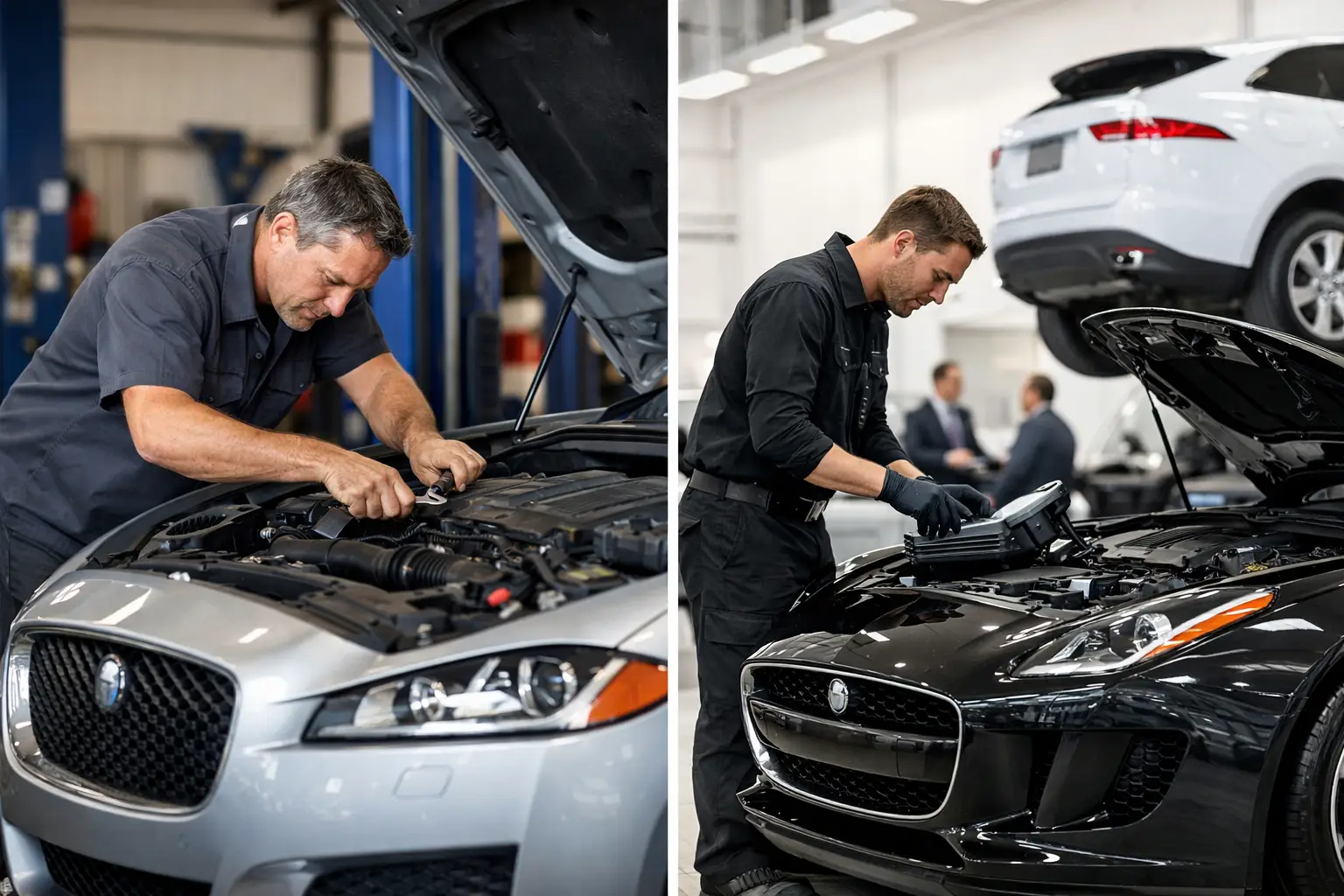
At its core, preventive maintenance is planned care. It includes services like oil changes, brake inspections, fluid checks, filter replacement, battery testing, cooling system service, tire evaluation, and diagnostic scanning at the right intervals. The goal is simple – keep the vehicle safe, reliable, and operating the way it was designed to operate.
This is not the same as repairing a vehicle after something breaks. Corrective repair deals with failure after the fact. Preventive maintenance is about reducing the chances of that failure happening in the first place.
That difference affects both cost and convenience. Replacing worn brake pads is routine maintenance. Waiting until those pads damage the rotors turns a manageable service visit into a larger repair. Replacing aging coolant before it degrades is maintenance. Waiting until overheating damages engine components is a very different outcome.
For owners of premium vehicles, preventive care also protects performance. A Jaguar or Land Rover that is maintained consistently will usually drive better, respond better, and develop fewer avoidable problems over time. That does not mean maintenance prevents every repair. Parts still age, electronics can still fail, and driving conditions always play a role. But regular service gives you a much better chance of catching issues early, when they are less disruptive and often less expensive.
What Preventive Maintenance Usually Includes
The exact services depend on the vehicle’s age, mileage, model, and condition, but most preventive maintenance programs revolve around the systems that wear gradually or degrade over time.
Engine oil and filter service is one of the clearest examples. Oil loses effectiveness as it ages, and if it is left too long, internal engine wear can increase. On modern luxury vehicles, using the correct oil grade and service interval matters. A generic approach is not always enough.
Brake service is another major category. Pads, rotors, and brake fluid all need periodic evaluation. Sometimes the vehicle still feels fine even though pad material is low or fluid condition is declining. That is why inspection matters just as much as replacement.
Cooling system maintenance is especially important in warm climates. Coolant condition, hoses, thermostat operation, water pump performance, and radiator health all affect engine temperature control. On Jaguar and Land Rover vehicles, cooling issues can become serious if they are ignored too long.
Battery and charging system checks also belong in preventive maintenance. Modern vehicles depend heavily on stable voltage, and weak batteries can create more than just starting issues. They can affect modules, warning messages, and overall system behavior.
Filters, belts, tires, suspension components, and transmission or differential fluids may also be part of the maintenance picture. Not every item needs attention at every visit, which is why a proper inspection process matters.
Why Luxury Vehicles Need a Smarter Maintenance Approach
Jaguar and Land Rover vehicles are not difficult to own when they are maintained properly, but they do require informed service. These brands use advanced electronics, specialized components, and model-specific service procedures that a general repair approach may miss.
That is where preventive maintenance becomes more than a basic checklist. It should be guided by actual familiarity with the vehicle. A technician who understands common failure patterns, manufacturer recommendations, and system behavior can often spot concerns earlier and make better service decisions.
For example, one owner may come in for routine service and learn that a cooling system component is beginning to weaken. Another may have no warning lights, but diagnostic checks reveal a battery issue before it leads to electrical faults. These are the kinds of details that make preventive maintenance worthwhile.
It also helps preserve the ownership experience people expect from these vehicles. If you bought a Range Rover, Defender, Discovery, F-PACE, or XF for comfort, capability, or performance, regular maintenance is part of keeping those strengths intact.
Hawaii Driving Conditions Change the Conversation
Preventive maintenance is never one-size-fits-all, and local conditions matter. In Honolulu and across Oahu, heat, humidity, stop-and-go traffic, short trips, and coastal exposure can all affect how a vehicle ages.
Heat can be hard on batteries, fluids, cooling systems, and rubber components. Humidity can contribute to corrosion and electrical concerns. Frequent short drives may not allow the engine and charging system to operate under ideal conditions for long enough. If your vehicle sees beach areas, salt air adds another layer of wear over time.
That does not mean every vehicle in Hawaii needs constant repair. It means maintenance schedules should be realistic for the environment. A service interval that looks fine on paper may need closer monitoring when the vehicle is exposed to local conditions every day.
Preventive Maintenance vs. Waiting for Symptoms
Many drivers delay service because the vehicle seems to be running fine. That is understandable. If there is no noise, no warning light, and no obvious drivability problem, it is easy to assume everything is okay.
The problem is that many issues develop quietly. Brake wear often starts before you hear any noise. Coolant quality can decline long before overheating begins. A battery can test weak before it actually leaves you stranded. Small fluid leaks can exist before they become visible on the driveway.
Preventive maintenance is valuable because it looks for what has not yet become urgent. In a lot of cases, that is where the real savings are. Not every inspection will uncover a major issue, and that is a good thing. The goal is not to find problems for the sake of it. The goal is to confirm the vehicle is in good shape and address concerns before they grow.
What a Good Preventive Maintenance Plan Looks Like
A good plan is based on the manufacturer’s recommendations, adjusted for the vehicle’s actual use and condition. It should not be guesswork, and it should not be a generic upsell.
For some drivers, that means staying closely aligned with mileage-based factory service intervals. For others, especially owners with older vehicles or lower annual mileage, time-based service becomes just as important. Fluids age even when miles stay low. Batteries weaken with time. Rubber parts do not care whether the odometer is moving quickly.
The best maintenance plans also include regular inspections and diagnostics, not just fluid changes. On late-model Jaguar and Land Rover vehicles, system scanning can reveal faults that are not yet obvious to the driver. Dealer-level diagnostic capability matters here because it helps make maintenance decisions based on real vehicle data rather than assumptions.
If you use your vehicle for school drop-offs, daily commuting, business travel, or weekend trips around the island, your maintenance needs may be a little different from someone who drives less often or mainly on open roads. That is why a conversation with a specialist is usually more useful than a fixed menu of services.
How Preventive Maintenance Saves Money Over Time
Some owners hesitate on routine maintenance because it feels like spending money before there is a problem. But in most cases, preventive service is the lower-cost option.
Routine oil service is cheaper than internal engine repair. Brake pad replacement is cheaper than replacing pads and rotors after excessive wear. Cooling system maintenance is cheaper than the engine damage that can follow overheating. Battery replacement on your terms is easier than dealing with a no-start situation and the electrical issues low voltage can trigger.
There is also the value of predictability. Planned service gives you more control over your budget and your schedule. Emergency repairs usually do not.
For owners who plan to keep their vehicle long term, maintenance becomes even more important. The longer you keep a Jaguar or Land Rover, the more value there is in consistent care from a shop that knows the platform well.
When to Schedule Preventive Maintenance
If you are asking what is vehicle preventive maintenance, the practical answer is this: it starts before something feels wrong. If your service interval is coming up, if the vehicle is overdue, or if it has been a while since a thorough inspection, that is the time to act.
It is also smart to schedule service before a long drive, before hotter weather puts added stress on the cooling system, or when you notice subtle changes like weaker starting, reduced braking feel, unusual vibration, or fluid spots where the vehicle is parked. Those signs do not always mean major trouble, but they are often worth checking early.
At JA Auto, preventive maintenance is not treated like a generic checklist. It is approached as a way to protect the reliability, safety, and long-term value of Jaguar and Land Rover vehicles with the right tools, the right diagnostic process, and the kind of care that respects both the vehicle and the owner.
The best time to deal with most car problems is before they become car problems.

Leave a Reply