


A warning light rarely appears at a convenient time. More often, it shows up before work, before a weekend trip, or right when your schedule is already full. That is why a preventive vehicle maintenance checklist matters, especially for Jaguar and Land Rover owners. These vehicles reward proper care with strong performance and comfort, but they are not the kind of vehicles you want to maintain casually.
For premium European vehicles, preventive maintenance is less about checking boxes and more about staying ahead of wear, heat, fluid breakdown, and small faults that can turn into expensive repairs. In Hawaii, that matters even more. Stop-and-go traffic, humidity, salt air, and short-trip driving can all accelerate wear in ways many drivers do not notice until a problem becomes harder to ignore.
What a preventive vehicle maintenance checklist should actually do
A good checklist should help you spot trends before they become breakdowns. It should also reflect the needs of the vehicle you actually drive, not just a generic schedule that treats every make the same. Jaguar and Land Rover models have specific systems, fluid requirements, and electronic components that benefit from brand-aware inspection.
That is where many owners run into trouble. A basic oil change mindset is not enough for vehicles with complex cooling systems, suspension components, advanced electronics, and model-specific service needs. The goal is not to over-service the vehicle. The goal is to service the right things at the right time.
The core preventive vehicle maintenance checklist
Start with fluids, because they are often the first sign of developing problems. Engine oil and filter changes should happen on schedule, but the interval depends on your driving habits, engine type, and vehicle age. If your driving is mostly short trips or heavy traffic, fluid condition can degrade faster than many owners expect. Coolant condition and level also deserve close attention, particularly on vehicles where cooling system reliability is critical to long-term engine health. Brake fluid, transmission fluid, and differential fluids should be inspected and serviced according to the vehicle’s requirements rather than ignored until symptoms appear.
Tires are another major part of preventive care. Uneven tread wear can point to alignment issues, worn suspension parts, or incorrect inflation. On heavier SUVs like many Land Rover models, tire condition affects ride quality, braking, and fuel economy more than people realize. Regular tire inspections should include tread depth, sidewall condition, inflation pressure, and rotation timing. If the steering feels slightly off or the vehicle pulls, it is worth checking early rather than waiting for tires to wear down prematurely.
Brakes should be monitored well before they start making noise. Pad thickness, rotor condition, and brake fluid performance all matter. For drivers who spend time in city traffic or on hilly routes, brake wear can vary quite a bit. Waiting for a warning sign may mean turning a smaller service into a more expensive brake job.
Battery and charging system checks are easy to overlook, but modern Jaguar and Land Rover vehicles depend heavily on stable voltage. Electronic modules, key systems, warning messages, and start-stop functions can all behave unpredictably when battery performance drops. In a warm climate, batteries do not always fail with much warning, so routine testing is a smarter approach than waiting for a no-start situation.
Filters also belong on any serious checklist. Engine air filters, cabin air filters, and fuel-related service items all play a role in performance and comfort. A restricted air filter can affect efficiency and drivability, while a neglected cabin filter can reduce air conditioning performance and interior air quality. In Honolulu, where air conditioning is not a luxury but a daily necessity, that detail matters.
Why Jaguar and Land Rover maintenance needs a closer eye
Not every maintenance item is urgent at the same mileage, and that is where specialist judgment makes a difference. Some vehicles may need more frequent inspection of cooling system components, while others may show early signs of suspension wear, oil seepage, or electronic faults that are best addressed before they trigger larger failures.
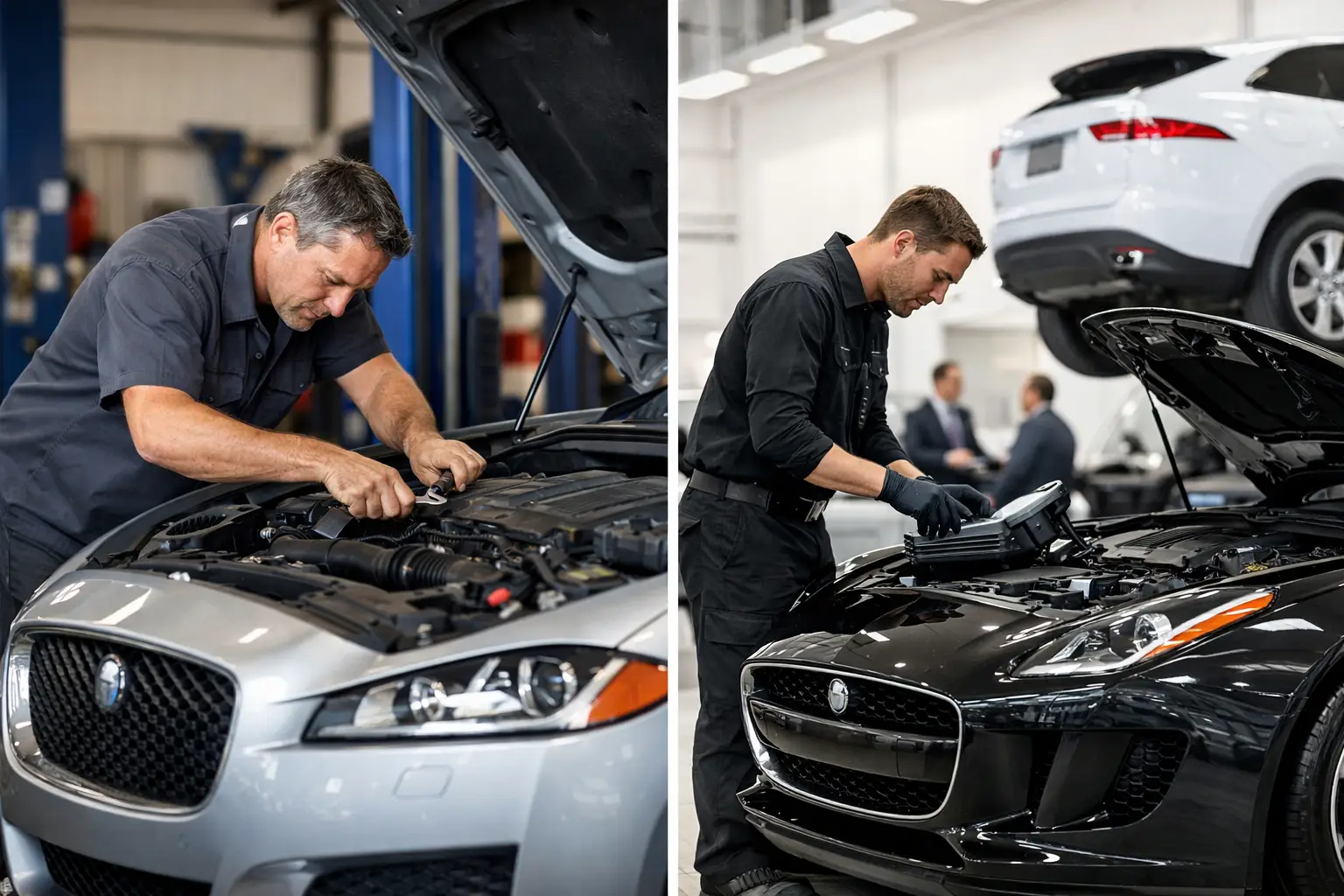
Jaguar and Land Rover vehicles are engineered differently than many mass-market vehicles. They often use more sophisticated systems for drivability, ride control, and onboard diagnostics. That is a benefit when the vehicle is properly maintained, but it also means generic service habits can miss early clues. A shop familiar with these platforms can often identify patterns a general repair facility might not recognize right away.
For example, a small coolant loss, an intermittent battery-related fault, or a slight change in ride behavior may not seem dramatic during daily driving. On these vehicles, though, those early signs are worth investigating. Catching an issue at that stage is usually easier on your schedule and your budget.
Mileage matters, but condition matters too
Many owners want a simple answer on service timing, and mileage is still useful. Oil services, brake inspections, tire rotations, and fluid replacements all follow interval guidelines. But mileage alone does not tell the whole story.
A vehicle driven occasionally on short trips may accumulate moisture in fluids, develop battery weakness, or go longer between full operating cycles. A daily-driven SUV in traffic may place more strain on brakes and cooling components than a vehicle that sees steady highway use. Age matters too. Rubber hoses, seals, belts, and plastic cooling system parts can degrade over time even if mileage stays relatively low.
That is why a checklist should be treated as a living maintenance plan, not a static piece of paper. The right schedule depends on mileage, age, model, driving style, climate, and service history. If the vehicle has missed prior maintenance, the smartest next step is usually to establish a baseline inspection rather than guessing what can wait.
What owners should pay attention to between services
Preventive maintenance is not only what happens in the shop. Owners can catch useful warning signs simply by paying attention to changes in how the vehicle starts, idles, shifts, brakes, cools, and rides. If the air conditioning stops feeling as cold as usual, the engine temperature changes, the steering feels heavier, or a new vibration appears, those are all worth checking.
Fluid spots in the driveway, a battery that cranks a little slower, or a warning message that appears only once can also be early indicators. None of these symptoms automatically mean a major repair is coming, but they do mean the vehicle is asking for attention. Responding early usually gives you more options.
This is particularly true with luxury vehicles, where one neglected issue can affect neighboring systems. A weak battery can trigger multiple electronic complaints. A cooling issue can quickly become an engine protection issue. Uneven tire wear can point to suspension problems that continue worsening if left alone.
The value of dealer-level diagnostics in preventive care
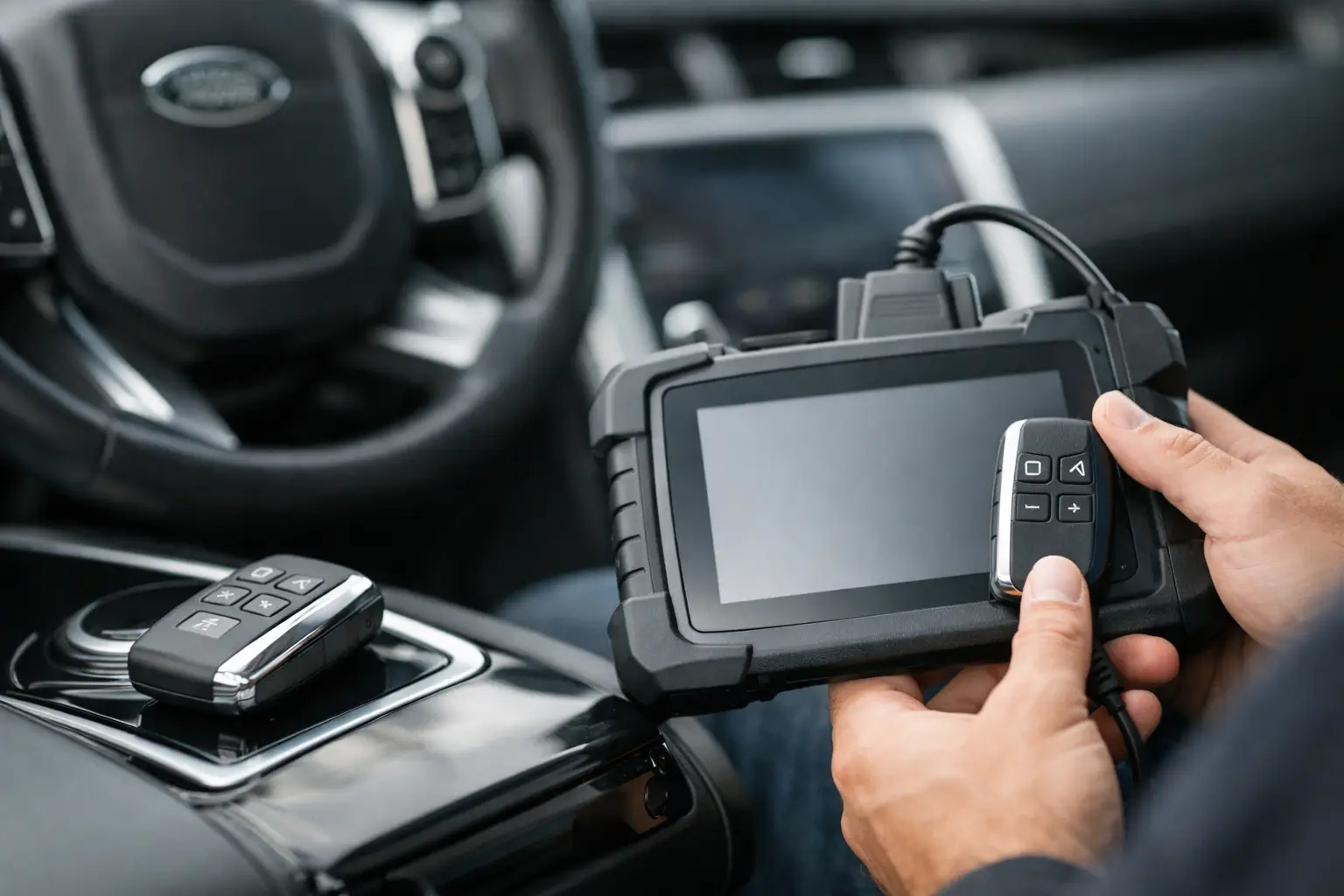
Preventive maintenance is not limited to mechanical inspection. Diagnostics play a major role, especially on newer Jaguar and Land Rover models. Reading fault history, checking module communication, and identifying stored issues before they become active failures can provide a clearer picture of vehicle health.
That is one reason specialist service can be so valuable. The right diagnostic equipment does more than clear lights. It helps confirm what systems are doing, what faults are pending, and whether a small issue is starting to develop behind the scenes. For owners who want reliability without the guesswork, that kind of visibility matters.
At JA Auto, that preventive approach is part of how long-term vehicle care is handled. For owners who want dealer-level technical capability with a more personal service experience, that combination can make ongoing maintenance feel much more manageable.
Building a checklist that fits your vehicle
The best preventive vehicle maintenance checklist is specific to your model, mileage, and condition. It should include routine oil service, brake inspections, tire evaluation, battery testing, filter replacement, fluid checks, and cooling system attention. It should also account for the known wear patterns of the vehicle and the realities of local driving conditions.
If you own a Jaguar or Land Rover, it is worth having that checklist built around your vehicle instead of relying on generic maintenance advice. Some services can be planned well in advance. Others depend on inspection results, test readings, and how the vehicle has been performing over time. That is not a complication. It is simply how smart maintenance works when the goal is reliability.
A well-maintained vehicle rarely gets that way by accident. It gets that way because someone paid attention before the problem forced the issue.
Leave a Reply