


A warning light rarely shows up at a convenient time. More often, it appears before work, before a weekend trip, or right when you thought everything was fine. That is exactly why drivers ask, what is preventive maintenance on a car? It is the routine service that helps catch wear, fluid breakdown, and early mechanical issues before they turn into breakdowns, expensive repairs, or long stretches without your vehicle.
For Jaguar and Land Rover owners, preventive maintenance is not just a good habit. It is part of protecting a vehicle that was built with more advanced systems, tighter performance standards, and components that benefit from brand-specific attention. Skipping routine service may save money in the short term, but it often leads to bigger costs later.
What Is Preventive Maintenance on a Car?
Preventive maintenance on a car means servicing the vehicle at planned intervals based on mileage, time, driving conditions, and manufacturer recommendations. The goal is simple – replace or inspect parts before they fail.
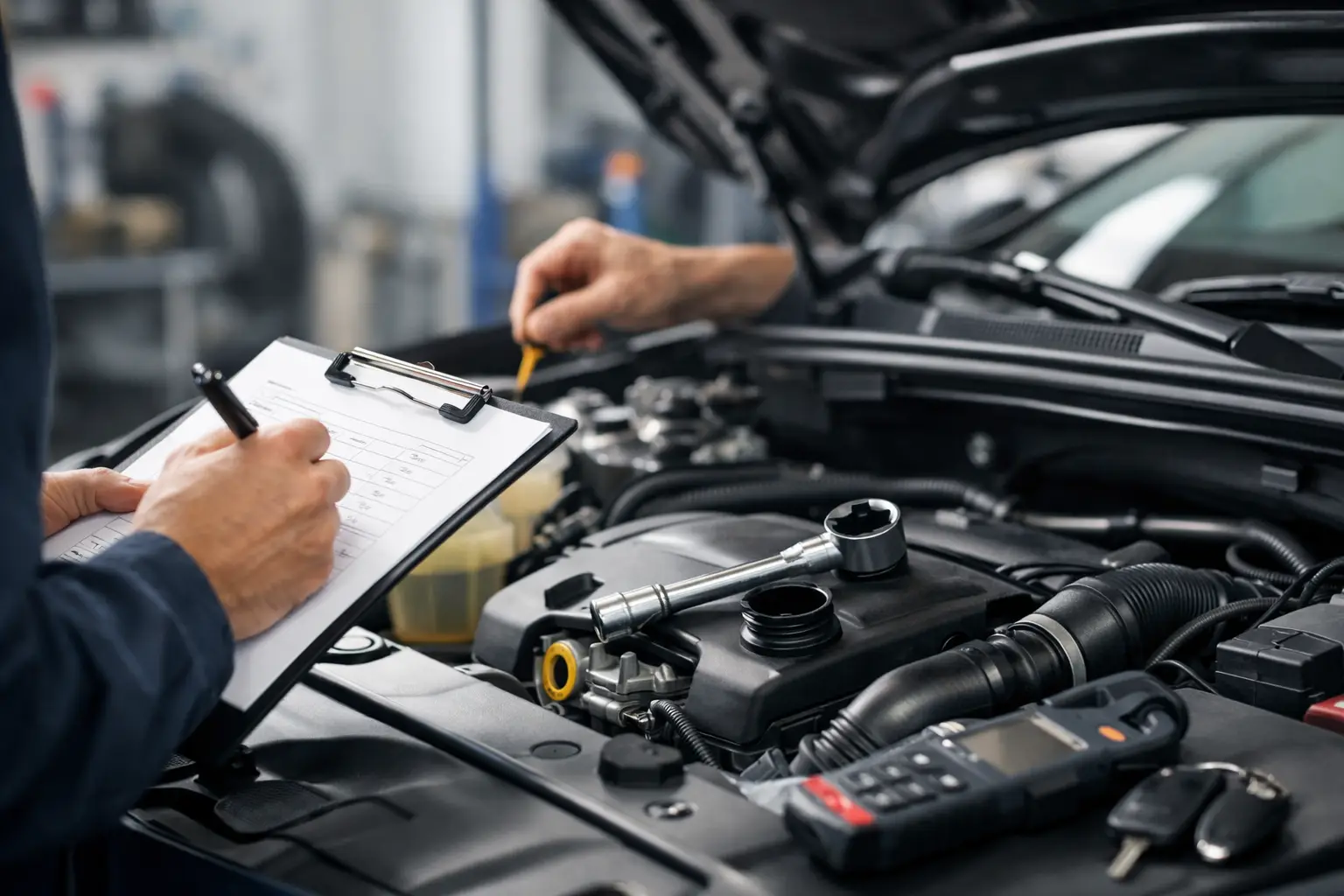
That includes oil services, filter replacement, brake inspections, fluid checks, tire service, battery testing, cooling system care, and monitoring wear items such as belts, hoses, and suspension components. Some maintenance items are predictable. Engine oil ages. Brake pads wear down. Coolant loses effectiveness over time. Other issues are less obvious, which is why inspections matter just as much as replacement schedules.
The biggest misconception is that preventive maintenance only means basic oil changes. In reality, it is a broader strategy for keeping the vehicle safe, reliable, and operating the way it should.
Why Preventive Maintenance Matters More Than People Think
Most major repairs start small. A minor coolant leak becomes an overheating problem. Worn brake pads turn into damaged rotors. Old transmission fluid contributes to harsh shifting and internal wear. By the time the vehicle feels different to drive, the underlying issue may already be more serious.
Preventive maintenance reduces that risk. It gives technicians the chance to spot changes in condition before they become failures. That matters for any vehicle, but especially for luxury European models where one ignored issue can affect multiple systems.
There is also a financial side to it. Preventive service is usually far less expensive than corrective repair. Replacing fluids, filters, or worn components on schedule is a controlled cost. Waiting until something breaks often means more parts, more labor, more downtime, and more inconvenience.
For drivers in Honolulu, climate adds another layer. Heat, humidity, stop-and-go traffic, and salt air can all accelerate wear on rubber components, cooling systems, batteries, and air conditioning performance. A maintenance plan that looks fine on paper may need closer attention in real-world island conditions.
What Preventive Maintenance Usually Includes
The exact schedule depends on the vehicle, but most preventive maintenance programs revolve around the systems that wear gradually with normal use.
Oil and filter service is the most familiar example. Clean oil protects internal engine parts, controls heat, and supports proper lubrication. Delaying oil service can lead to sludge, increased friction, and long-term engine damage.
Brake maintenance is another core area. That includes checking pad thickness, rotor condition, brake fluid, and how the system is performing overall. Waiting until brakes are noisy is not a strategy. By then, the repair is often larger than it needed to be.
Fluid service matters across the vehicle. Transmission fluid, coolant, brake fluid, differential fluid, and transfer case fluid all have service lives. Some last longer than others, but none are permanent. Fresh fluid protects components and helps systems operate as designed.
Tires also play a larger role than many drivers realize. Rotation, balancing, pressure checks, and alignment inspections affect handling, braking, ride quality, and tire life. Uneven wear can also point to suspension or steering issues that need attention.
Battery and charging system testing is another important piece, particularly in warm climates where batteries often fail earlier than expected. A battery may still start the car today and still be near the end of its useful life.
Then there are the items people tend to overlook – engine air filters, cabin filters, belts, hoses, spark plugs, wiper blades, and cooling system inspections. None of these are dramatic until they are neglected.
Preventive Maintenance vs. Reactive Repair
Reactive repair happens after a problem appears. Preventive maintenance happens before that point.
There is a place for both. Even well-maintained vehicles can develop unexpected issues. Sensors fail. Parts wear unpredictably. Electronics can act up without warning. But relying only on reactive repair usually means you are always one step behind the vehicle.
Preventive maintenance gives you a more controlled ownership experience. Instead of waiting for a breakdown, you are managing known service needs at the right time. That approach is especially valuable for owners who depend on their vehicle every day and do not want surprise failures to dictate their schedule.
Why Luxury Vehicles Need a More Careful Approach
Jaguar and Land Rover models are rewarding to drive, but they are not maintenance-optional vehicles. They use advanced drivetrains, electronics, cooling systems, and chassis components that respond best to proper service intervals and informed inspections.
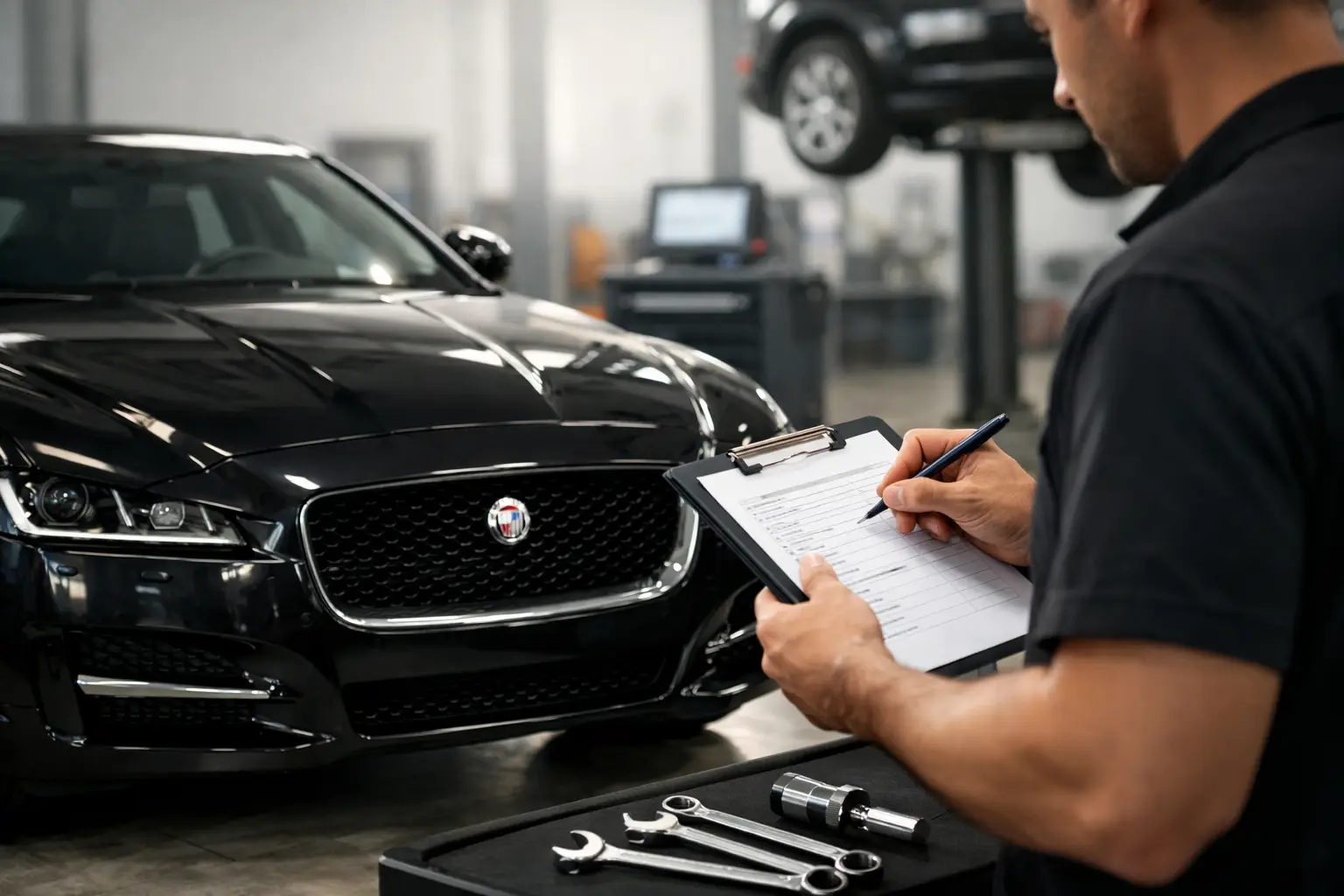
This is where specialization makes a difference. A general shop may handle basic maintenance, but not every shop understands the service patterns, common failure points, and diagnostic needs of these brands. Preventive maintenance works best when the technician knows what to look for beyond the obvious.
For example, a routine service visit may reveal early cooling system concerns, suspension wear, battery registration needs, or software-related issues that a less specialized inspection could miss. That does not mean every vehicle needs major work. It means the right attention helps prevent small concerns from becoming expensive ones.
How Often Should Preventive Maintenance Be Done?
There is no single answer that fits every car. The correct interval depends on manufacturer recommendations, vehicle age, mileage, driving habits, and environment.
Some drivers put on low miles and assume they can stretch service indefinitely. That is not always true. Fluids can degrade with time, not just mileage. Seals dry out. Batteries age. Tires can wear unevenly even on vehicles that are not driven heavily.
On the other hand, frequent short trips, traffic, high heat, and heavy use may justify more frequent inspections and fluid service than a standard schedule suggests. This is one of the reasons a personalized maintenance plan is more useful than a generic reminder sticker.
A good service advisor or technician should not just quote a menu of services. They should consider how the vehicle is actually being used and what condition it is in now.
Signs You May Be Behind on Preventive Maintenance
Sometimes the signs are obvious, like dashboard warnings, vibration, squealing brakes, fluid leaks, or rough performance. Other times they are subtle. Maybe the air conditioning does not cool as quickly as it used to. Maybe the steering feels less precise. Maybe the engine sounds a little louder at startup.
Those changes do not always mean major failure, but they do mean the vehicle is asking for attention. One of the best things about preventive maintenance is that it creates regular opportunities to investigate these smaller changes before they turn into bigger concerns.
It is also worth paying attention after buying a used vehicle. If the maintenance history is incomplete, the smartest move is often to establish a service baseline rather than guessing what was done and when.
What Good Preventive Maintenance Looks Like
Good preventive maintenance is not about overselling. It is about accuracy, timing, and clear communication.
You want a shop that inspects carefully, explains what is due now versus what can wait, and understands the difference between normal wear and a developing issue. That balance matters. Over-servicing wastes money. Under-servicing creates risk. The right approach is practical and vehicle-specific.
For owners who want to keep their Jaguar or Land Rover dependable, preventive maintenance is one of the most effective ways to do it. It protects performance, helps avoid unnecessary breakdowns, and supports longer component life without waiting for something to go wrong first.
At its best, preventive maintenance gives you confidence every time you start the vehicle. And that peace of mind is worth more than waiting for the next warning light.

Leave a Reply